

Top Homeware Designers and Brands for 2026
Posted on 12 May, 2026
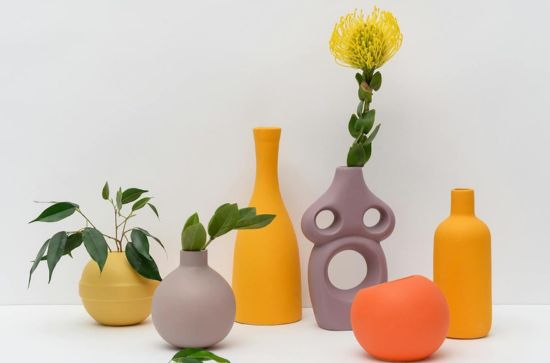
Interior design trends for this year are currently in the spotlight, with Google searches for ‘burl wood furniture’ soaring by more than 5000% in the past month alone! It’s a sign of the changing homewares sector. The French home decor market alone is worth about 25 billion euros a year. Consumers are increasingly looking for quality pieces that combine craftsmanship with contemporary aesthetics. Our latest blog looks at what will define the leading homeware brands in 2026 and features the top designers driving the industry. It also explores the latest interior design trends shaping the collections with practical tips to pick statement pieces.
What makes a leading homeware brand in 2026
Consumers’ priorities have changed. People now buy homeware for durability and quality rather than trend-led design. Three-quarters of consumers will shop around for better deals before buying soft furnishings and 67% are prepared to pay more for products that offer better durability or quality.
This is a sign of a marketplace where buyers are spending at the same level but want higher levels of performance and longevity. Half of consumers expect to spend the same amount on soft furnishings in the next 12-18 months.
Another factor that has emerged is versatility. Almost half of consumers are now adding mats and runners to patio or outdoor areas for indoor use. They want products that are able to adapt to different environments. The need for indoor/outdoor functionality sits well with broader priorities for low-maintenance homeware that works harder and lasts longer.
Digital accessibility makes leading brands stand out. Research shows that 84% of the top UK retail websites contain accessibility barriers on their homepage. Brands tackling these issues are tapping into a market worth £274 billion in the UK alone. Personalisation is key to conversion with 80% of consumers more likely to buy from brands that offer tailored experiences.
Sustainability credentials count. Consumers who value authenticity over mass production connect with brands that champion artisan craftsmanship and ethical production practices.
Best homeware designers and brands 2026
Designer collaborations took centre stage during Milan Design Week 2026. H&M Home teamed up with Kelly Wearstler for its first furniture collection. Palazzo Acerbi showed thirteen pieces, going up to 29 with the launch in 40 markets in September 2026. The collection includes lighting, accessories and modular furniture in textiles, wood, metal, ceramics and marble.
Veuve Clicquot collaborated with British-Nigerian designer Yinka Ilori for an immersive installation based on light and joy. Frette teamed up with Tara Bernerd for Turning Tables, and Knoll unveiled its first collaboration with Portugal-based sculptural artist Dozie Kanu.
Wallpaper* has selected 12 of the rising designers who will define the industry in 2026. Cordon Salon was founded by Australian designer Ella Saddington to investigate craft through the lens of anthropology. Grace Atkinson, based in Paris, makes one-of-a-kind rugs and wall hangings using age-old techniques. She works with artisans in Ukraine, Spain and Portugal. Armaan Bansal’s Fly-Ash collection with Indian interiors brand, Essentia Home, is a blend of modernity and heritage.
Luxury fashion brands continue to expand into homeware. Aquazzura offers ceramic dinner plates and Murano glass champagne coupes, and Brunello Cucinelli sells refined ceramic cups and linen throws. Ralph Lauren Home has large selections of bedding, dinnerware and blankets.
Top interior design trends - inspirations for homeware collections
Organic shapes are dictating interior design trends for 2026. Linear minimalism of previous decades is replaced with flowing lines and sweeping curves. Soft forms and rounded corners suggest calm and relaxation. They are havens from the stress of everyday life. Curved furniture soothes the eye and calms the mind. Sculptural consoles and wave-textured sideboards give high-end design a facelift with sales data backing up the preference. Newly launched products with curved silhouettes are also experiencing increases in units sold.
Modern organic design blends contemporary structure with natural softness in warm neutrals like cream, sand and mushroom tones. Natural materials are authentic. Cotton and linen fabrics are popular choices for upholstery due to their durability and breathability. Rattan provides artisanal texture and remains light yet durable.
Maximalism in a curated form is back and is the most requested aesthetic by the designers. Heritage maximalism mixes pattern and colour with traditional motifs re-imagined for the modern home. Searches for Art Deco interiors are up 22% over 2024. Searches for Art Deco bathrooms more than doubled, up 144%.
Smart home integration is driven by connected devices as smart thermostats, lighting and other systems work to reduce energy consumption, making life easier. Handmade homeware leads the way. More than 68% of homeowners want spaces that tell personal stories and cultural heritage.
The homeware industry is a mirror to the deep change in consumer values. Quality and versatility beat short-lived trends. Designer collaborations keep pushing creative limits and emerging stars advocate for artisan craft and cultural authenticity. The interior design trends for 2026 are all about organic shapes, warm neutrals and curated maximalism. These are form spaces that are modern yet still have a sense of timelessness. Brands that focus on durability and sustainability will offer statement pieces that will provide beauty and function to homes for years to come.
Here at Careers in Design we work with many Designers within the homewares sector so please get in touch if you want to find out more at www.careersindesign.com
Back to blogPosted in: Designers