

What Is Biophilic Design?
Posted on 10 Feb, 2026
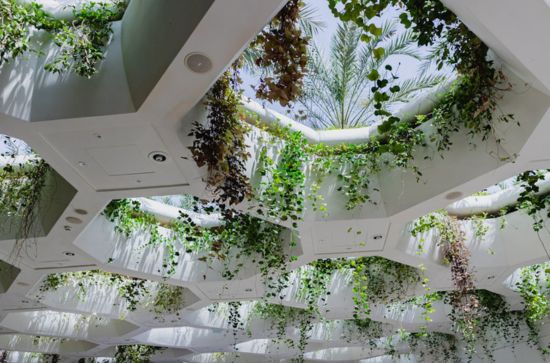
We talked about the interesting idea of biophilic design and how it will become more important in the future for defining careers in interior design in a previous blog post called What Is Biophilic Design? This new way of thinking about indoor spaces has already made great changes to design so we thought we’d revisit the subject and add some updates to show why it is still so important in modern design.
How does biophilic design work?
The Latin word "biophilia" means "a love for nature." The idea is based on solid research that shows how people do better when they are linked to nature. This basic concept has led to biophilic design, a whole method that tries to connect our indoor spaces with the outside world. It includes both direct linkages through real natural elements and indirect connections through design characteristics that are influenced by nature. This makes environments that speak to our inherent love of nature.
Important Parts of Biophilic Design
There are a few important things to keep in mind when using this method. These ideas may be used in both commercial and residential projects, making them a great starting point for talking to clients about what they want and need.
The Natural World: To make the most of the outdoors, let in as much natural light as possible, add real plants and show off wildlife or natural events in a stylish way. Nature's colours should inspire your colour scheme. Think of deep earth tones, tranquil sea blues and atmospheric sky colours. These things work together to make a relationship with nature that is peaceful.
Natural Shapes: Get rid of straight lines and flawless symmetry that don't happen very often in nature. Instead, use shapes that are more like those seen in nature, such as organic forms, flowing lines and shapes that aren't perfect. Think about the soft curve of a leaf, the uneven spiral of a shell or the way a river flows as you draw.
Natural Patterns: Use patterns that show how unpredictable and complicated nature is, and build on natural shapes. Instead of using uniform, repeating patterns, use designs that seem like natural processes, such the veining in leaves, the ripples in sand or the complex patterns that form in aged stone. These things make the natural look more interesting and give it more dimension.
Plants: You don't have to turn your home into a greenhouse to make it biophilic. Putting well chosen indoor plants in the right places can make a big difference. Pick plants that do well indoors and use colours that remind you of nature on your walls and floors. A little number of plants can make a big difference in how connected you feel to nature.
Natural Light: The relevance of natural light transcends biophilic design concepts, however it has particular importance in this environment. Thoughtfully constructed windows that let in a lot of natural light not only make the connection to the outside stronger, but they also help the health and well-being of the people who live there. Think about how to make the most of the size and positioning of windows so that they let in as much natural light and warmth as possible.
The relationship between people and nature is the most important part of biophilic design. It controls how all the parts operate together. The hard part is making rooms that not only show off how beautiful nature is, but also meet everyday necessities. The idea is to find the right balance between how things look, how they work and how they fit in with nature.
Biophilic Design: More Important Than Ever in 2026
It used to be a luxury for architects, designers, and urban planners to make settings that are good for people's health. Now it's a basic need. Biophilic Design is still important in 2026 and will be even more important as the problems of modern life get worse.
Where Biophilic Design is Doing Well Today
Biophilic principles are changing surroundings in many fields, each one meeting a different set of human requirements.
Residential spaces are at the forefront, as homeowners want homes that help them deal with the stress and loneliness of city life. Living walls flow down the fronts of residential buildings, and inside gardens and natural lighting systems make safe havens in concrete jungles.
Biophilic design is a strong way for schools to improve learning, and they have embraced it. Schools now have outdoor classrooms, green hallways and natural materials that help students relax and focus better. It's apparent from the research that pupils do better when they are around things that are inspired by nature.
Corporate offices know that the health of their employees has a direct effect on productivity and retention. Living moss walls, circadian lighting system, and outdoor terraces that give people a break from working in front of screens are all now part of open-plan spaces. Companies say that biophilic workspaces make people sick less often and more creative.
More and more, urban architecture includes green roofs, vertical gardens and systems for natural ventilation. Cities all across the world require biophilic components in new buildings because they help fight urban heat islands and make the air cleaner.
The Reasons Why It Is Still Important
Biophilic design is becoming more important in 2026 because of three main benefits that solve important problems in today's world.
Improved physical health becomes a quantifiable result instead of just a goal. Natural features in buildings lower blood pressure, make the air cleaner, and help people sleep better. Plants, natural light and organic materials in a room can help you feel better and give you more energy.
Environmental sustainability sees biophilic design as an important part of infrastructure that helps us adapt to climate change. Green walls clean the air, living roofs control rainwater and natural ventilation systems use less energy. These aren't just pretty things; they're practical systems that solve environmental problems and make areas seem nice.
Better mental health is perhaps the best advantage. Biophilic surroundings help people feel less stressed, which is important in a time when more people are feeling anxious and depressed. Natural things make us feel better mentally by lowering cortisol levels and making us feel peaceful and connected.
Register your CV with Careers in Design if you want help in find your next job in design. This will provide you exclusive access to our current job openings and our full range of support services. Our skilled staff will help you make your CV better, write good cover letters and prepare strong applications, which will greatly increase your chances of getting your desired job in the design field.
Back to blogPosted in: Designers | Tagged: Interior Design