

Why Bespoke Design Is Winning Out Over Mass Production
Posted on 24 Nov, 2026
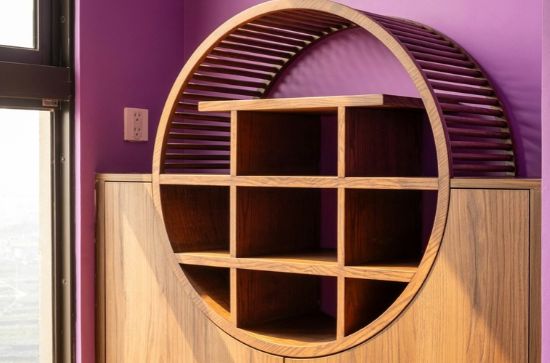
In a world where everything is getting more and more accessible, personalised design is offering something mass production just can't replicate; individuality, quality and a genuine connection to the things we own.
Search online or walk into just about any high street store and you will find thousands of products that look remarkably alike. Thanks to mass production, it’s now easier than ever to buy something quickly, conveniently and often at a competitive price, whether it’s furniture, fashion, home accessories or interiors.
Increasing numbers however are looking beyond the convenience of off-the-shelf products and discovering the charm of bespoke design. More and more consumers are looking for products that express their personality, meet their individual needs and offer something really different, rather than just offering whatever happens to be available.
So why is bespoke design such an appealing alternative, and what makes it stand out in a world dominated by mass production?
The Appeal of Something Else
Individuality is one of the biggest benefits of bespoke design as mass-produced products are made to appeal to as many people as possible. This makes them accessible, but it also means that customers are often selecting from a limited range of styles, colours, materials and finishes.
Bespoke design does it entirely differently.
Bespoke design is not about shaping your preferences to fit a pre-existing product, it’s about building the product around you. Whether it is a piece of furniture to fit an unusual space, a beautifully tailored outfit, a personalised interior or custom made accessory, the possibilities are far more flexible.
This results in something that feels personal, not generic and can make a big difference for homeowners, businesses and individuals who want their surroundings or possessions to reflect who they are.
Quality, not Quantity
Mass production has been synonymous with cheap and easy for decades. But the expanding availability of cheap goods has also created a culture of buying, replacing and throwing away.
Bespoke design provides an alternative.
The attention to detail, carefully selected materials and focus on craftsmanship means that bespoke products can offer a level of quality that is hard to match when mass producing. That is not to say, of course, that all made-to-order products will outlast a mass produced alternative. Quality is dictated by the designer, the materials and the workmanship. But when bespoke products are about durability and intelligent construction, it can inspire consumers to buy products they really care about, rather than replace them every couple of years.
The difference is not just in what you buy, but in how much thought has gone into creating it.
Created for your Lifestyle
The problem with mass-produced products is that they’re made for the average customer but very few people live, work or think exactly the same way.
A normal piece of furniture may look good in a showroom but not fit easily into your home. You can buy a stylish outfit off the rack, but it will probably need alterations to fit you right. You might find something that looks right on the market, but not the practical features that you really want.
The challenges are addressed with bespoke design by putting the customer at the heart of the process. The result may be affected by measurements, preferences, functionality and personal requirements.
In terms of interior design, this could be creating storage that makes use of an awkward corner, selecting materials that work well with existing furnishings or designing a space around the way a family uses their home.
Tailored solutions can also help companies create a distinctive environment that reflects their brand and leaves a lasting impression on customers. Bespoke design is an opportunity to create something that really works for the individual, rather than have to make compromises.
The Importance of Being Personal
The experience itself is another reason bespoke design is becoming more and more attractive.
Purchasing a mass-produced article is generally a simple matter. You select an item, pay for the item, and take it home. Bespoke design is a far more collaborative process. Customers can discuss ideas, view a variety of materials, explore alternative finishes and work with a designer to create something that fits their vision.
This personal involvement provides a better connection between the customer and the end product and there is the added pleasure of knowing that something has been made just for you.
For many this makes the final purchase more meaningful. It becomes more than just owning an object. It becomes part of their own narrative.
Sustainability and Making Better Choices
Another important consideration is sustainability.
Mass production makes products cheap and readily available. Producing goods in large volumes can also create waste, consume resources and have environmental impacts from manufacturing and transportation.
A bespoke design can offer a more considered approach. Designers are able to avoid unnecessary features, lower overproduction and select materials that suit the intended purpose by producing items according to individual requirements.
There is also growing interest in repairing, restoring and redesigning existing products, instead of replacing them automatically. A loved piece of furniture can be adapted to suit a new interior. Existing garment can be altered, or redesigned. Sometimes materials that would otherwise be discarded can be reused.
But a custom design is not necessarily sustainable. What is the environmental impact of it? It is contingent upon the materials used, production processes, transport and the lifespan of the finished product. The real opportunity is in designing thoughtfully, choosing responsibly and making products people want to keep.
Technology Is making Personalised Design more Democratic
Bespoke design has traditionally been associated with luxury interiors, high-end fashion, and expensive commissions. Technology is becoming more appealing today.
Digital design tools, computer aided manufacturing, 3D modelling and improved production techniques are allowing designers to create customised products without necessarily relying on purely manual processes. Customers can look at ideas digitally, see the options and make changes before production starts.
This can lead to better communication between designers and customers, reduce uncertainty and help ensure the end product meets expectations.
Technology however is not substituting craft, it is giving designers more tools to mix creativity, precision and personalisation. This is creating an increasing opportunity to make bespoke design available to a wider audience.
Why Companies are adopting Bespoke Design
For businesses, standing out from the competition has never been more important.
Consumers are bombarded daily with a huge number of brands, products and marketing messages. Innovation can help a business to build a better brand and to have a more memorable customer experience.
A well thought out interior, made to measure furniture, personalised packaging or a one-off product presentation can all help to communicate a company’s values and personality. It can also assist businesses in creating more practical environments for employees and more attractive environments for customers.
Companies may opt to invest in designs that meet their specific needs, rather than rely on generic solutions. This is particularly useful to companies wishing to display creativity, quality and attention to detail.
So, bespoke design – is it worth the investment?
Cost is one of the biggest questions here. Products that are made to order may take longer, require special skills and individual attention than mass-produced products. This therefore implies the initial investment can be higher.
But the cheapest option is not always the most economical in the long run. A product that does not fit properly, does not meet practical requirements or quickly becomes outdated may have to be replaced earlier than expected.
Bespoke design enables customers to think of the longevity of the product and the bigger picture. What do they really need? What will the product be used for? Which materials are suitable? Will the design stay useful and appealing for years to come?
Mass production is going to remain the most sensible choice for some purchases but others may find greater satisfaction, functionality and value over the long term by investing in something specifically designed for their needs.
The key is to make an informed decision, rather than assume that one approach is always better.
The Future is Mindful Design
Mass production isn’t going anywhere. It is still an important factor in maintaining the affordability and accessibility of everyday products. More and more consumers however are realising that convenience is just one part of the buying decision.
Quality, individuality, sustainability, functionality and personal expression are becoming equally important and bespoke design responds to these changing expectations by providing something that is more thoughtful and more personal. It makes people reflect on what they truly need, how products are made and whether their purchases reflect their values.
The appeal of bespoke design is more than simply being different. It’s about creating products and spaces that feel right for the people who use them. People are looking for products that fit their lifestyles, reflect their personalities and are genuinely valuable.
They want quality over quantity, meaningful choices over endless options, and designs that serve a purpose rather than follow a trend. Mass production will always have its place but bespoke design shows that individuality and craftsmanship still matter.
For a career within design please take a look at our website Careers in Design or give us a call on 01920 486125 to have a chat with one of our consultants.
Back to blogPosted in: Careers in Design