

The trend for softer shapes and sculptural furniture - Careers In Design
Posted on 24 Mar, 2026
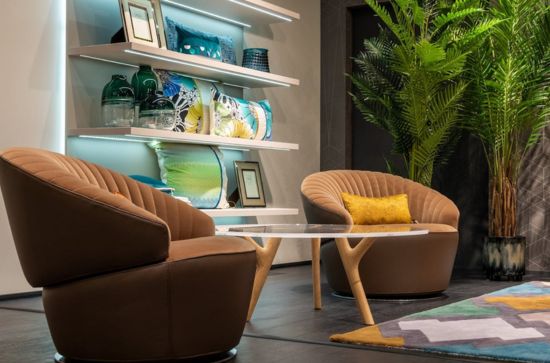
As designers and homeowners move away from the sharp, angular pieces that were popular in the past, sculptural furniture with softer, more natural shapes is changing the look of modern homes. This move toward curved shapes isn't just for looks; in fact, rounded furniture has real benefits for comfort, health and the flow of space. Biophilic principles and mid-century design ideas are now part of modern furniture design. This makes pieces that feel safer, more inviting and more comfortable to use. These sculptural pieces, like curved sofas and round dining tables, are changing how we live in 2026.
The change from angular furniture to softer, more sculptural shapes
After decades of angular minimalism being the main style in homes, furniture design is going through a big change. In the early 2000s and 2010s, interiors were full of rigid shapes and sharp industrial lines. Now, pieces with flowing shapes and soft curves are taking their place. Kelly Collins, Swyft's head of creative, says that the industry is "moving away from anything overly structured or sharp." Hard angles and ultra-mid-century silhouettes are starting to look old. Chris from King Living agrees with this and says that clients are moving away from designs with rigid, structured lines and toward designs with softer lines and a more relaxed posture.
How modern interiors moved away from sharp lines
The move away from strict minimalism shows that people want softer, more nurturing spaces. Years of clinical palettes and strict geometry made rooms that often felt cold and unwelcoming, without the warmth that makes a house feel like home. Straight-lined furniture can't match the visual softness and physical comfort that curved furniture brings. Alexis Vitale from the Vitale Design Group says that organic, curved shapes make spaces feel both relaxed and architecturally interesting by adding warmth and interest. This change is more than just a matter of taste, it meets a basic need for homes that protect people from the outside world.
Sophie from Vinterior says that there is a return to stronger shapes and silhouettes, but with warmth built into the design. Sofas are now big and curved, tables feel heavy, and storage pieces are now more than just afterthoughts; they are anchors. DATE Interiors' Molly Torres Portnof says that 2026 is all about sculptural curves, natural materials, and one-of-a-kind, handmade items.
The effects of biophilic design ideas
Biophilic design principles have made curved furniture more popular by stressing our natural connection to nature. Shape is very important for making these ideas real, since the natural world doesn't often have perfect, angular shapes. Curved, natural shapes in spaces, like curved windows and archways or hand-made ceramics, can make the mind feel calm.
There is a lot of psychology behind this choice. Our brains see sharp angles as possible threats, which is why we are more careful around pointed things. Curves, as opposed to sharp angles, make us feel safe and calm our nervous systems. The human mind actually likes curved visual objects because they don't look threatening. Organic shapes look like the rolling shapes we see in nature, like waves, hills and branches. They connect us to the natural world in ways that angles made by machines can't. This biomorphic style has soft curves and uneven shapes that look and feel natural, not forced.
Modern pieces that are inspired by mid-century and Art Deco styles
Curved furniture is heavily influenced by the Art Deco and mid-century modern styles, both of which used curvilinear shapes a lot. In the past, these design styles included smooth, curved furniture that was both stylish and comfortable, like rounded armchairs and long console tables. What makes the current revival different is that curves are being used in every part of a room, from the architecture and lighting to the case goods and upholstery.
The return of classic 1970s and 1980s design has brought back bold, curvy furniture and fun decorative items that mix old-fashioned charm with modern style. This time period is known for its maximalist style, which is full of wavy and modular shapes. It gives modern homes a look that is both lively and classy. Designers mix mid-century styles with Art Deco styles to make pieces that will never go out of style. These pieces have soft curves and rounded edges. With new joinery techniques, wood can now flow in straight lines without seams, making pieces that look like they were carved from a single block of material.
Why curved furniture makes rooms better
Curved furniture changes how we see and move around in our homes, making them feel more comfortable and welcoming. Sculptural furniture with organic shapes offers functional benefits that straight-lined furniture can't match, in addition to looking good.
People feel safer and more welcome when things are round
Rounded furniture has soft curves that make any room feel calm and flowing. Curved edges, on the other hand, make your space look softer and more inviting, while sharp angles can make it look harsh. Studies back up this gut feeling: when people look at curved spaces, the anterior cingulate cortex, which is linked to emotion and decision-making, becomes more active. This area helps control anxiety and makes you feel good about yourself.
Rounded furniture makes a room look softer and more inviting, which helps people relax. Research indicates that curved designs elicit positive emotions, with spaces adorned with curvilinear furniture fostering sensations of relaxation, happiness and optimism in contrast to rectangular furnishings. This psychological response makes curved furniture especially useful in bedrooms and living rooms, where a calm atmosphere is most important. A curved sofa or rounded armchair makes a room feel less harsh right away, making it feel warmer and more welcoming.
Sculptural furniture is changing the way people live in modern homes
Sculptural furniture is now a part of every room in modern homes, from seating to lighting. Each piece uses organic shapes in a practical way.
Round dining tables make modern spaces feel balanced and comfortable for socialising. Pedestal-base designs are sculptural and give you more legroom. Stone-effect or marble-inspired tops add luxury, and glass tops make the space feel lighter and more open. Curved coffee tables make a room look softer and more comfortable, and they also help the flow of the room. Their natural shapes work best in small, square rooms because they soften hard lines and reduce the risk of injury from sharp edges.
Modern organic accent chairs are made from sustainable woods, organic fabrics and recycled materials. They also have rounded shapes, which are more comfortable. These chairs have soft, flowing shapes that are good for your back. Rounded ottomans with boucle and velvet finishes go well with curved seating arrangements and can be used as footrests or extra seats.
When you use materials that make curves look better, they really come to life. Boucle fabric, which is soft to the touch, brings out the gentle flow of rounded backrests. Velvet makes sinuous seating look even more appealing by adding depth and richness. Solid woods like walnut or oak add a natural warmth that goes well with the way the table legs curve. Rattan and natural wood work well with rounded furniture because they add warmth without making it look heavy.
Colour schemes that go well with sculptural shapes
Soft neutral colours like ivory, beige and sage bring out the natural look of rounded furniture, making the room feel calm and unified. Bold colours like mustard, emerald or terracotta turn curves into beautiful showpieces. Let the curved pieces do the talking by keeping the walls neutral. A cobalt blue rounded armchair or a blush-pink scalloped sofa adds just the right amount of drama. Choose neutral colours, monochromatic palettes, or tonal colour blocking to make shape the star of the show.
In conclusion
Sculptural furniture with softer shapes has benefits that go beyond just how it looks. Curved pieces change the way we feel about our homes by making them safer and easier to move around in, giving us real ergonomic support, and lowering visual tension. The move toward organic shapes shows our basic need for safe, comfortable places that make us feel good.
These items make spaces feel more welcoming, whether you add a single rounded coffee table or completely redesign your living space with curved sofas and sculptural lighting. Start with small things, mix curves with straight lines, and let the natural flow of organic shapes bring warmth and peace to your home.
To find out more about jobs within the furniture sector feel free to give us a call on 01920 486125 or visit our website at www.careersindesign.com
Back to blogPosted in: Furniture Design