

How Designers Create Spaces that Enhance Mental and Physical Health
Posted on 30 Jun, 2026
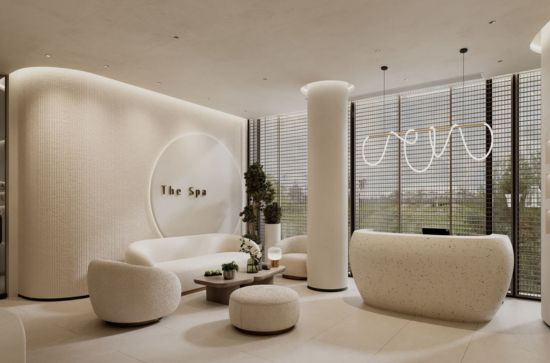
Designing for Wellbeing
Design for wellbeing is a new concept that is gaining momentum and it is all about designing spaces that encourage mental and physical health. This design process is not only about aesthetics and beauty but also to create settings that promote the overall wellness of the individuals.
The approach to Wellbeing in design is a holistic consideration that incorporates choice of materials and hues, spatial organisation and natural aspects. These elements are all deliberately interwoven to create harmonious places that develop mental clarity, reduce stress and promote physical mobility.
Why is this important?
Wellbeing in design is not a fad, but a core consideration when developing places that support the human experience. In our fast-paced society, the places we work and live are a strong determinant of our mental and physical health. So it’s important to provide environments that support wellbeing for happier, healthier communities.
Studies have demonstrated that design can affect happiness, productivity and general wellness. Poorly designed spaces can increase stress levels and decrease productivity. Natural features and natural light are more likely to foster relaxation and focus in spaces. So designers need to be aware that their design can have a profound effect on people and try to create settings that have positive effects.
Core Principles of Design for Wellbeing
Wellbeing-oriented design is anchored on a variety of ideas for the creation of spaces that foster mental and physical wellness. These concepts are informed by biophilic design, ergonomics and the careful use of colour and light.
Biophilic Design This notion refers to the inclusion of nature aspects in the built environment. Designers can use plants, natural materials and vistas of nature to create environments that promote a sense of tranquillity and connectedness to the natural world. Biophilic design has been shown to lower stress, improve mood, and boost cognitive performance.
Ergonomics: The spaces are designed to be comfortable to use and to protect the physical health of the users. This entails selecting furniture that supports good posture, arranging the spaces to facilitate movement, and thinking how accessible the rooms are for persons with varying requirements.
Colour and Lighting: Choices of colour and lighting can influence mood and behaviour considerably. The use of warm natural light and soothing colour schemes can produce a peaceful environment, while bright hues, used cleverly, can invigorate and encourage creativity.
The Effect of Space on Mental Health
The relationship between space and mental health is complicated and multifaceted. Our living environments can influence our stress levels, cognitive and emotional wellbeing. Designers need to understand these effects so they can create settings that promote mental wellness.
The use of natural components, such as plants and natural light, has a favourable effect on mental health. Studies have indicated that exposure to nature decreases symptoms of sadness and anxiety, increases mood, and enhances cognitive performance that evoke a sense of mental clarity and relaxation.
Acoustics of a location can affect mental health as well. More stress and less concentration can be caused by high amounts of noise. Noise restrictions in quiet environments provide for better concentration and relaxation.
Designing with Nature
We have spoken about these in previous blogs for example the inclusion of nature in design is a basic in the design of settings that improve wellness. It’s called biophilic design, and it incorporates components of the natural environment into the built environment to boost the physical and mental health of those inside.
One of the finest ways to bring nature into your home is to incorporate natural materials like wood, stone and wool. These materials add to the visual appeal as well as giving a sense of warmth and comfort. Additionally, indoor plants enhance air quality, boost humidity, and create a serene atmosphere in any environment.
Another important strategy is to maximise the natural light within a building. Large windows and skylights can provide spaces with natural light, minimising the need for artificial lighting and establishing a connection with the outside. Studies have shown that natural light can enhance mood, increase productivity and re-establish circadian cycles resulting in an improved feeling of overall wellbeing.
The Role of Colour in Promoting Wellbeing
Colour is a powerful design tool that influences mood and conduct. When used with purpose, colour may create settings that evoke emotional responses and meet the needs of the inhabitants, thus promoting well-being.
Warm and neutral colours, soft blues, greens and earth tones are commonly found in spaces designed for comfort and relaxation. These colours are believed to have a relaxing effect, lowering stress and creating a sense of tranquillity. Bright and vivid hues on the other hand, such as red and yellow, may invigorate and encourage creativity and are therefore excellent for places where focus and activity is needed.
The psychological impacts of colour are pertinent to lighting. Light quality and temperature can have an impact on how people perceive colours and a room. Natural lighting is also a great way to make the sense of colour more natural and appealing, with its ever-changing quality during the day.
Designers need to evaluate the colour palette and lighting of a space to ensure they are suitable to its intended purpose and support the welfare of those using it. This helps them to create settings that are not only visually appealing, but also induce good emotional and psychological responses.
Ergonomics and Movement:
Physical health design is the design of spaces that facilitate the natural mobility of the body and prevent injury or discomfort. Ergonomics is highly important in this process since it is about the design of surroundings that match the capabilities and limitations of the human body.
Choosing furniture that supports good posture, such adjustable chairs and workstations, and organising workspaces to reduce strain on the body. They are critical to prevent musculoskeletal problems and to maintain long term health and comfort.
Movement in a space is more than ergonomics, it is essential to physical health. Improved circulation, reduced sedentary behaviour and enhanced general well-being can be achieved through the design of layouts that encourage walking and active break opportunities. Features like standing workstations, walking pathways and workout areas might help inspire people to keep physically active on a regular basis.
Design for physical health also has to be approachable. Creating accessible settings for persons of varied abilities is essential to promoting physical wellbeing. This allows designers to focus on ergonomics and movement. They can create spaces that encourage physical health for those who live there.
New and creative materials and new and upcoming technologies provide exciting potential for designers to build spaces that enhance wellbeing in fresh and dynamic ways. The design possibilities to promote wellness are boundless, ranging from smart lighting systems that replicate natural daylight to biophilic design components that link people to the outdoors.
Designers have never been more vital to the evolution of the built environment, and have the potential to improve the health and welfare of people and communities. When designers embrace wellness as a core value, they have the ability to construct a future in which environments are not only useful and attractive, but also caring and supportive of the human experience.
If you’re curious about working in this transformational space then get in touch with us. Careers in design can help you find a design role that can make a positive impact on people’s lives.
Back to blogPosted in: Designers